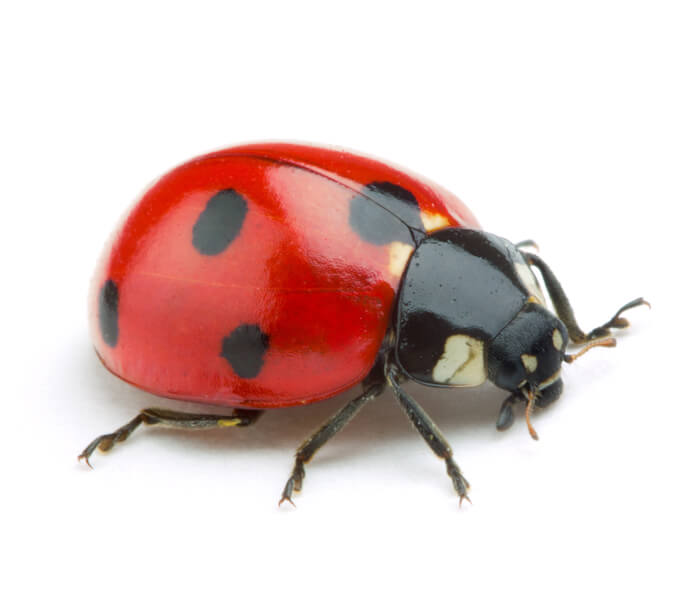
Ladybugs in Central Arkansas
Ladybugs, also known as lady beetles or ladybird beetles, are highly beneficial insects because they prey on harmful insects. There are thousands of species of ladybugs worldwide, each with its own unique coloration and spot patterns. While they are most commonly associated with their classic red bodies and black spots, ladybugs can also be black, orange, yellow, and have no spots. They are particularly effective natural enemies of aphids and other sap feeders. Remarkably, a single ladybug can consume up to 5,000 aphids in its lifetime. Numerous species of ladybugs inhabit various habitats across the United States, though occasionally they can become a nuisance by invading homes.
Ladybug Habitat
Ladybugs inhabit a variety of environments such as forests, grasslands, rivers, urban areas, and suburban landscapes. They primarily reside in shrubs, trees, fields, gardens, and occasionally indoors. Aphids serve as their primary food source, and ladybugs often deposit their eggs near aphid colonies. Their presence in gardens and landscapes is not only aesthetically pleasing but also signifies a healthy ecosystem where natural pest management is at work. During winter, ladybugs hibernate en masse, seeking shelter in protected locations such as cracks in rocks, tree bark, homes, and buildings.
Ladybug Behaviors, Threats, or Dangers
Ladybugs play a crucial role as beneficial voracious predators, by preying on aphids and other pests harmful to gardens and crops. However, in certain regions, these helpful beetles can become a nuisance by infiltrating homes. Ladybugs are known as overwintering insects, and when one discovers a suitable hibernation spot, it emits a pheromone that attracts others to the location. It’s not uncommon to find clusters of dozens or even hundreds of ladybugs gathered together. Occasionally, some stray ladybugs might mistakenly enter homes through openings such as electrical outlets and wall crevices. If you suspect a ladybug infestation, contact your local pest control company.
Need help with Ladybug control?

Leave your information below and we’ll be in touch with a FREE quote!
*During normal business hours. After hours calls will be returned the next business day.